The Voice from the Pulpit
When we think of the spark that ignited the American Revolution, we often picture fiery political speeches in town halls or secret meetings of the Sons of Liberty. However, one of the most powerful forces for freedom in 1776 did not come from a political stage at all. On the contrary, it came directly from the pulpits of local neighborhood churches.
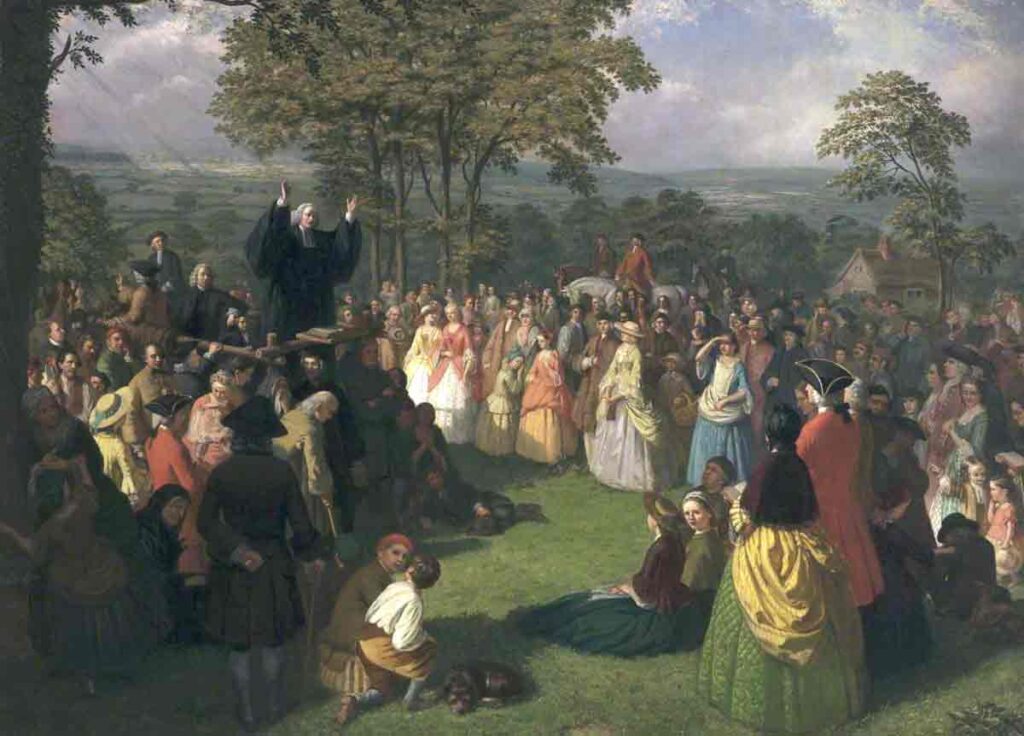
British officials were deeply terrified of a specific group of American pastors whom they bitterly nicknamed the “Black Regiment.” This name came from the long, black clerical robes the ministers wore each Sunday. These spiritual leaders did not stay quiet during times of national crisis. Instead, they used their deep biblical knowledge to teach their congregations a profound truth: that human liberty is a sacred gift from the Creator, and resisting tyranny is a spiritual duty.
Faith in Direct Action
Furthermore, these pastors did not merely preach about freedom in a safe vacuum. When the war officially broke out, many of them put their faith into dramatic, physical motion. A famous example is Pastor Peter Muhlenberg of Virginia. In January 1776, he preached a powerful sermon on Ecclesiastes 3, declaring to his packed church that there was “a time to preach and a time to pray,” but that a time to fight had finally arrived.
Consequently, at the end of his sermon, Muhlenberg deliberately removed his black clerical robe to reveal the striking blue uniform of a Continental Army colonel right underneath. He marched out of his church door, and over three hundred men from his congregation instantly volunteered to follow him into battle. This act of spiritual courage proved that true faith is active. It showed that when the foundational rights of a community are threatened, leaders must stand on the front lines to defend them.
Sustaining the Moral Foundation
Ultimately, the Black Regiment provided the critical moral compass that sustained the early American patriots through years of bloody sacrifice and frozen winters. Because these ministers framed the struggle for independence as a righteous defense of God-given rights, everyday citizens found the internal resilience needed to keep going.
They taught local neighborhoods how to sacrifice for the greater good, how to care for the families of fallen soldiers, and how to stay united in earnest prayer. This local, faith-driven unity inside town churches created an unbreakable shield against tyranny. It reminds us today that political structures alone can never preserve freedom. True liberty must always be rooted in a deeply grounded, spiritually alive society.
Recalling the Pulpit of 1776 Today
As we look toward America’s historic 250th milestone celebration, the legacy of the Black Regiment serves as a brilliant blueprint for our modern era. Today, our culture faces deep fragmentation, social confusion, and shifting moral tides. However, we can easily find the path to community renewal by looking back at the spiritual courage of our past.
To see another incredible historical example of early citizens using their everyday trades and active faith to build our nation from the ground up, you can read about The Forgotten Forge and Colonial Tradesmen. By putting faith first in our daily lives and standing up for timeless truths, we can revitalize our towns today. Let us honor our 250-year heritage of freedom by backing localized community initiatives to rebuild America for future generations.