A Hidden Piece of History
In the modern cultural landscape, Thomas Jefferson is frequently portrayed as the ultimate champion of a strictly secular state. As the author of the famous phrase “wall of separation between church and state,” his personal religious beliefs have been debated for generations. Yet, when one dives into the actual historical records of 1774, a fascinating and undeniable truth emerges. When the very survival of American liberty was on the line, Jefferson did not hesitate to use the power of corporate prayer and biblical faith to unite a fractured nation.
To understand this pivotal moment, we have to look back at May 1774. The British Parliament, furious over the Boston Tea Party, had just passed the brutal Boston Port Act. This law completely shut down Boston Harbor and placed the city under harsh military occupation. The colonies were terrified, deeply divided, and unsure of how to respond to this massive display of royal tyranny. It was during this dark hour that a young Thomas Jefferson, alongside fellow patriots Patrick Henry and Richard Henry Lee, stepped up to orchestrate a brilliant spiritual counter-strategy.
Crafting a Spiritual Resolution
Jefferson and his colleagues recognized that a purely political protest would not be enough to wake up the general public. They needed something meaningful that would strike a deep chord in the souls of everyday citizens across all thirteen colonies. Gathering in a private room, Jefferson and his team carefully drafted a formal resolution calling for a colony-wide “Day of Fasting, Humiliation, and Prayer.”
Knowing that their own reputations were seen as somewhat rebellious, Jefferson later admitted in his personal memoirs that they intentionally approached a deeply religious, older statesman named Robert Carter Nicholas to introduce the resolution to the Virginia House of Burgesses. Because Nicholas was highly respected for his personal piety, the measure passed unanimously on May 24, 1774. The official proclamation set the date for June 1, 1774—the exact day the British military was scheduled to seal off Boston. The resolution commanded that:
“…the members of this House do attend in a body, with the Speaker and the Mace, to the Independence Church in Williamsburg… to implore the divine interposition of Almighty God, for averting the heavy calamity which threatens destruction to our civil rights.”
A Nation on Its Knees
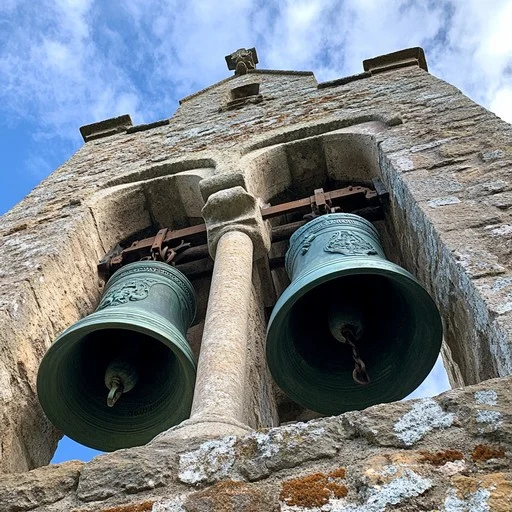
When June 1st arrived, the social effect was immediate and overwhelming. Across Virginia and throughout the other colonies, daily business came to a complete standstill. Church bells tolled in a somber, mournful rhythm from sunrise to sunset. Thomas Jefferson himself recorded the incredible psychological shift that took place across the landscape, writing:
“The effect of the day was like a shock of electricity throughout all the colonies, revolving every man and setting him to consider choices which he had never before thought of. They aligned their minds with the cause of Boston, and a general congress of all the colonies was everywhere demanded.”
By framing the political crisis as a spiritual battle that required divine intervention, Jefferson and his team successfully bypassed standard political bickering. Farmers, merchants, pastors, and aristocratic planters were suddenly united on their knees inside their local churches, crying out to God for the preservation of their unalienable rights.
The Birth of United America
Consequently, the spiritual unity generated on that day of fasting directly paved the way for true political unity. Just a few months later, as a direct result of the momentum built during that day of prayer, the colonies sent their very first delegates to Philadelphia to form the First Continental Congress. The United States began to take shape not on a battlefield, but in the pews of local neighborhood churches.
As we approach the grand 250th anniversary of our nation’s birth, this moment in 1774 serves as a profound lesson. It proves that the foundations of American liberty were never intended to exist in a secular vacuum. Even Thomas Jefferson recognized that when freedom is threatened, a nation’s strongest defense is a humble return to the Creator.
To see how other early patriots relied on this exact foundation of faith and prayer to guide their statecraft during seasons of intense gridlock, you can read about the history of Faith and Prayer in the Founding. By remembering the days that prayer united the colonies, modern families can find the exact blueprint needed to bridge our current cultural divides. Let us protect our sacred heritage of liberty by backing community initiatives like Savior City to rebuild America from the ground up today.