
The Gathering Place
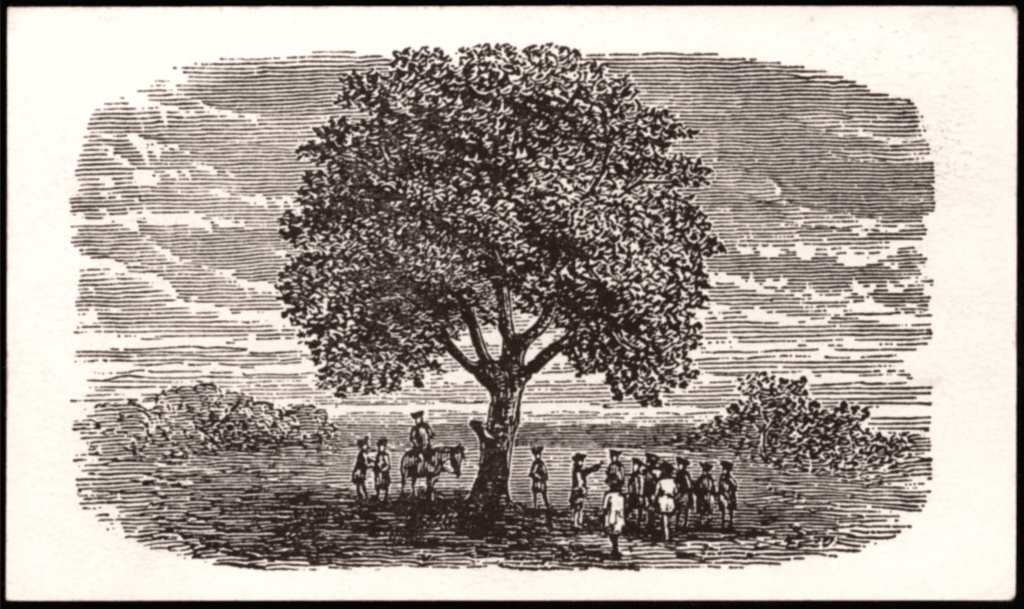
The American Revolution began with a single oak tree. In 1765, a large elm tree in Boston became a central gathering place for colonists. They met under its wide branches to protest unfair British taxes. Consequently, the citizens named it the “Liberty Tree.” It served as a powerful symbol of community unity and shared values.
Therefore, people across the thirteen colonies began designating their own local Liberty Trees. These natural sanctuaries proved that freedom does not start in government buildings. On the contrary, it grows locally in our own neighborhoods.
The Spiritual Root of Resistance
Furthermore, these gatherings were deeply spiritual events. Local pastors often stood beneath the branches to preach inspiring sermons. They used biblical truths to defend human dignity and natural law. For example, they reminded citizens that God created all people to be free.
Meanwhile, the British authorities grew terrified of these outdoor meetings. In 1775, British soldiers tragically cut down the original Boston tree. However, they could not kill the spiritual fire of the movement. The citizens simply took pieces of the wood and carved them into symbolic medals. Thus, the physical loss only strengthened their ultimate resolve.
Rebuilding Our Communities Today
As we celebrate the historic 250th anniversary of our nation, the legacy of the Liberty Tree matters deeply. Today, many citizens feel isolated from their neighbors. However, we can find a great blueprint for modern renewal in this historical symbol. We must recreate our own gathering spaces to foster faith, mutual support, and local enterprise.
To learn more about the early historical documents that protected these open gatherings, you can read about the official blueprint of the Virginia Declaration of Rights. By focusing on our shared heritage, we can easily revitalize our local towns. Let us honor 250 years of liberty by actively supporting community initiatives like Savior City to rebuild America from the ground up.